Longevity
How Movement Quality Influences Your Training
November 2026 · 6 min read
Your training is not only about how much you lift, but also about how well your body moves. When people think about improving their fitness, they often focus on increasing weights, completing more repetitions, or pushing their physical limits. While these factors can contribute to physical development, there is another important element that deserves attention: movement quality.
The way your body moves influences how you perform exercises, coordinate different muscle groups, maintain control, and develop physical capabilities over time. At AxisLab, we believe better movement starts with understanding your body. Because building strength and performance should not be separated from the foundations that support them.
1. What Is Movement Quality?
Movement quality refers to how effectively your body performs a particular movement. It involves several physical elements, including:
- Mobility: Your ability to move joints through the range required for a particular activity.
- Stability: Your ability to maintain control and support your body during movement.
- Coordination: How different muscles and body segments work together.
- Movement Control: Your ability to manage positioning, direction, and execution throughout an exercise.
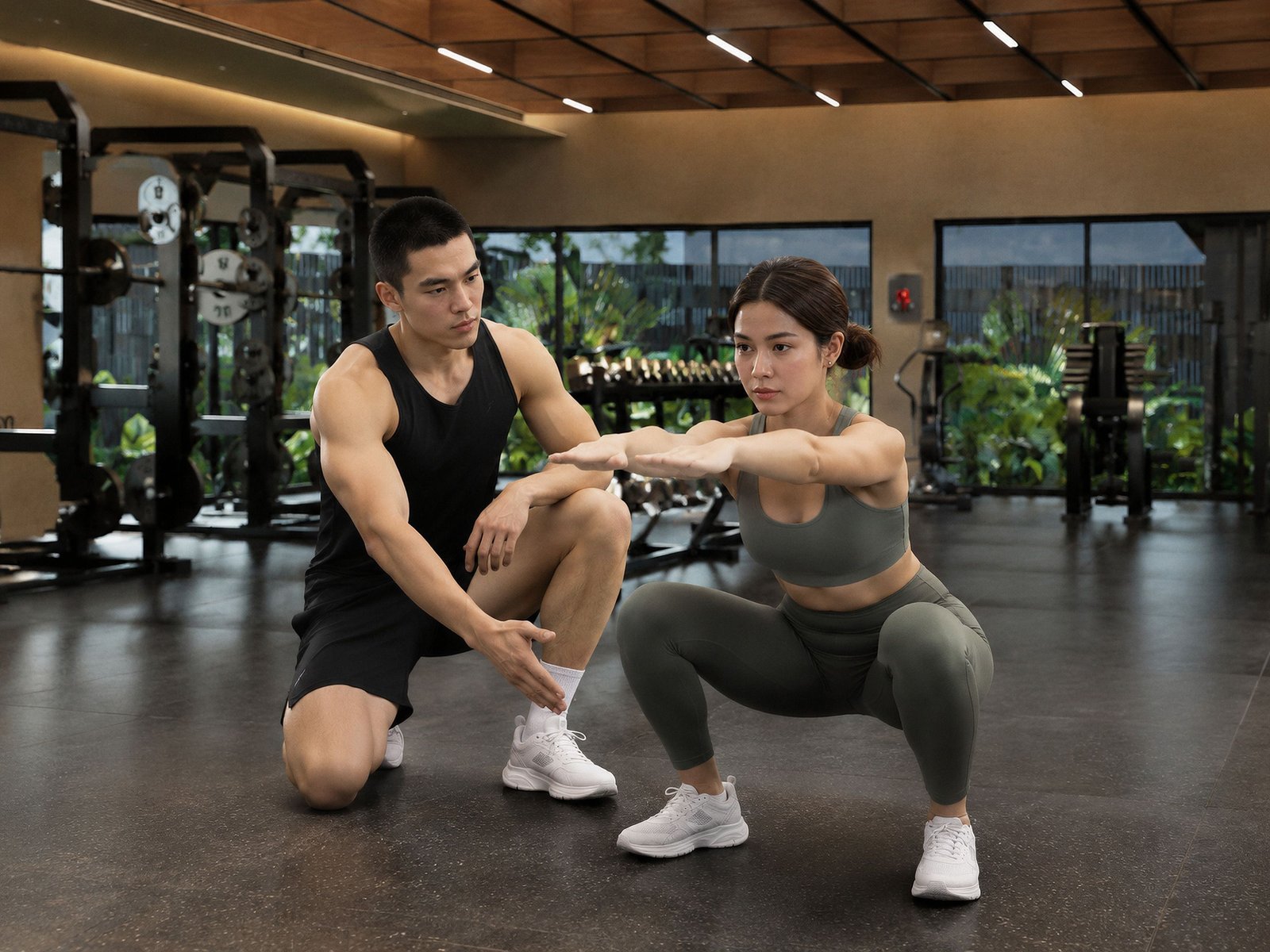
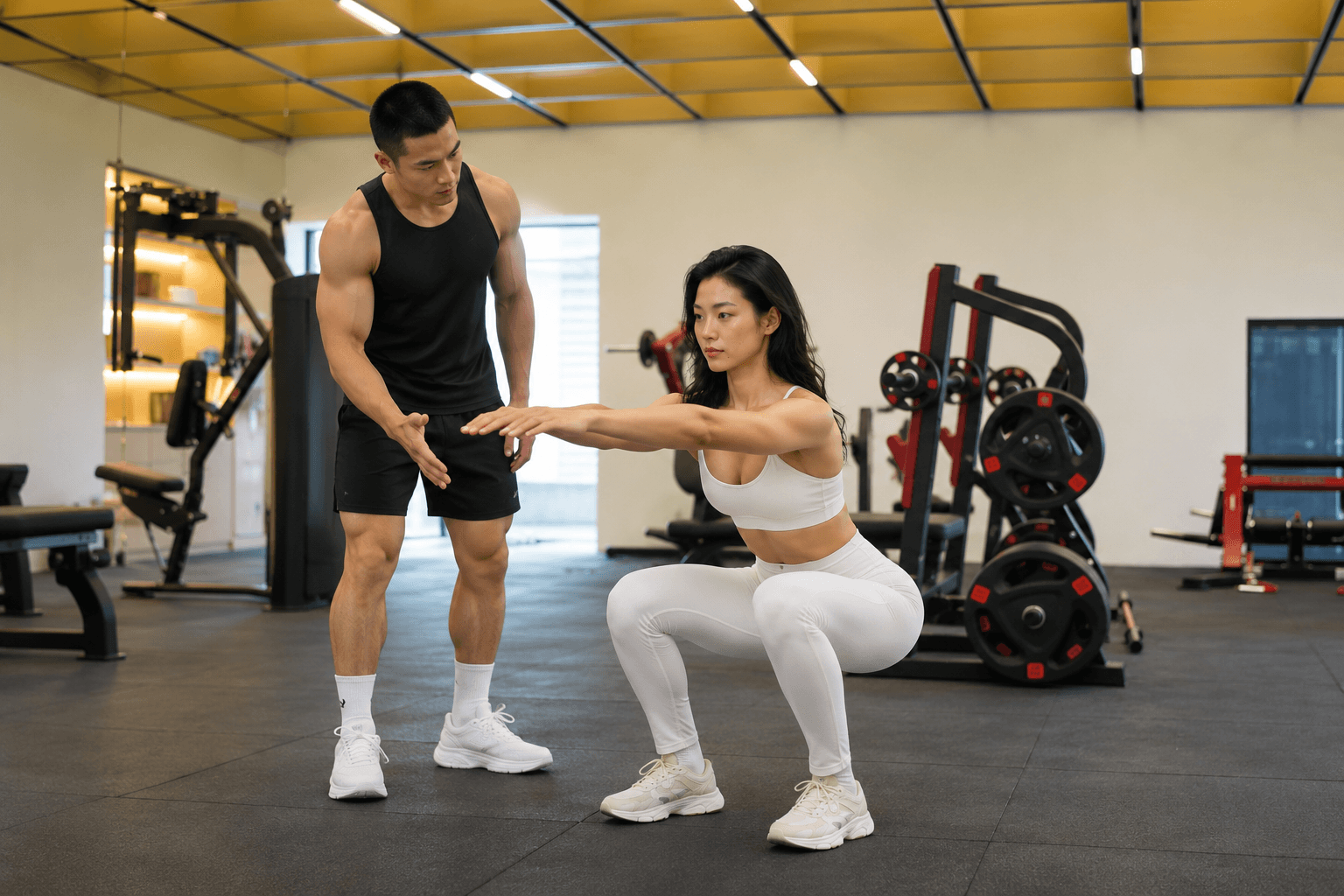
These elements work together whenever you perform everyday activities or structured exercises. For example, a squat is not simply about lowering and raising your body. It also involves coordination between your hips, knees, ankles, and trunk.
Understanding how these components work together helps establish a more informed approach to exercise and physical development.
2. Why Movement Quality Matters in Training
Training is more than repeating exercises. It is about developing the physical capacity to perform movements effectively and consistently. Movement quality can influence several aspects of your training.
Better Exercise Execution
Understanding how to perform an exercise allows you to focus on the intended movement pattern rather than simply completing repetitions.
Improved Body Awareness
Recognizing how your body moves helps you understand positioning, control, and how different parts of your body contribute to an exercise.
More Appropriate Training Progression
Your training should reflect your current physical capabilities. Understanding your movement patterns can help professionals select appropriate exercises, variations, and levels of difficulty.
Long-Term Physical Development
Building physical capacity requires consistency. Developing movement skills alongside strength and conditioning can contribute to a more comprehensive approach to physical training.
Movement quality should not be treated as a universal standard of perfect technique. Every individual has different physical characteristics, needs, and training objectives.
3. What Happens When You Focus Only on Strength?
Strength is an important part of physical performance, but it is only one component of how your body functions. Increasing resistance without considering exercise execution, movement control, and individual capabilities may lead to a training approach that does not fully address your needs.
For instance, someone may be able to lift heavier weights but still have difficulty controlling certain movement patterns or performing activities that require mobility and coordination. This does not mean that lifting heavier weights is wrong. Instead, it highlights why strength development should be considered alongside other physical capabilities.
At AxisLab, we believe training should be built around the individual, not simply the amount of weight they can lift.
4. How to Develop Better Movement Quality
Improving movement quality starts with understanding your current physical condition and identifying areas that deserve attention. Here are four important considerations:
1. Start With an Assessment
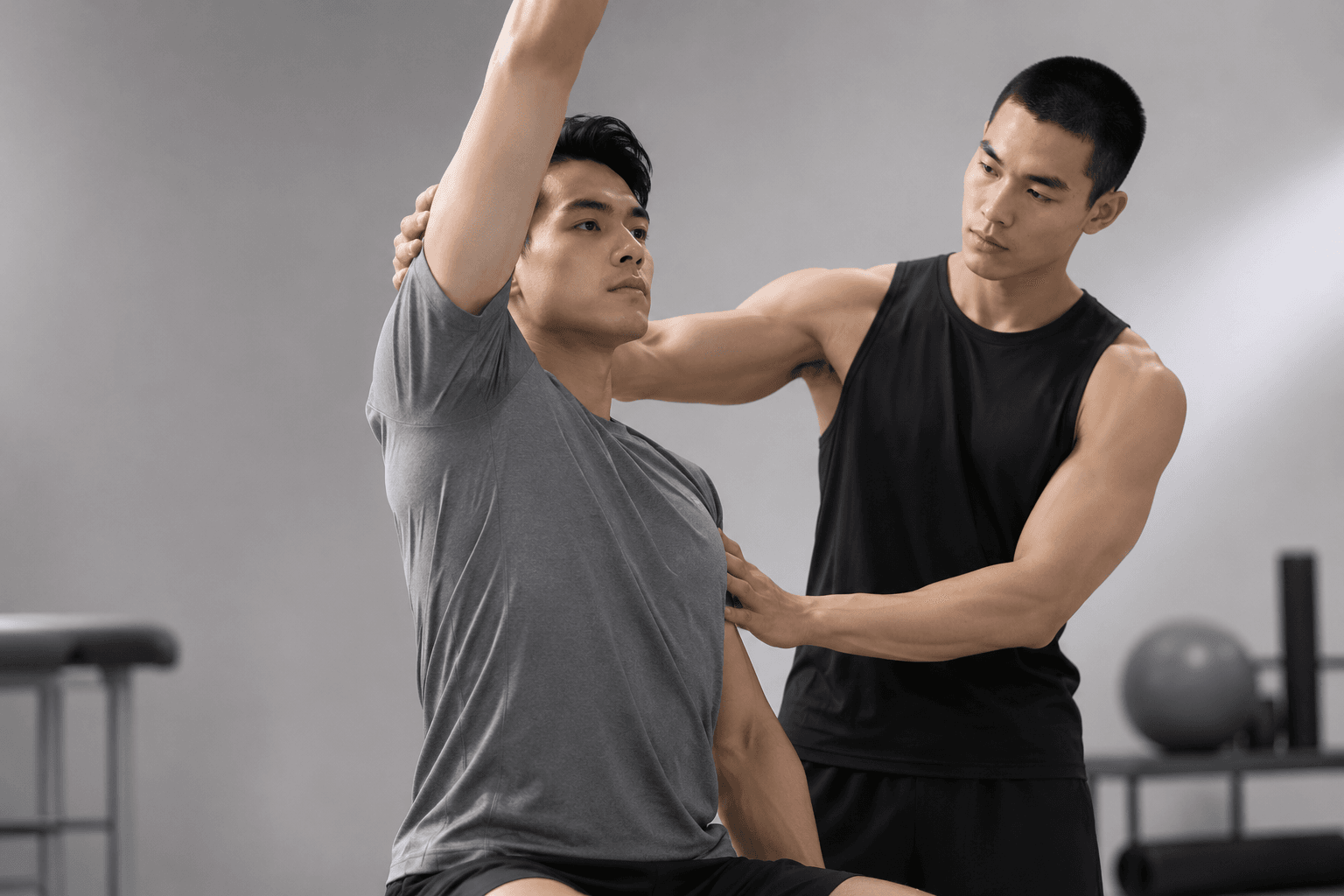
Before developing a training program, understanding your movement capabilities provides a useful foundation. An assessment can help professionals observe relevant movement patterns, mobility, stability, and individual physical considerations.
2. Build Your Foundation
Developing foundational movement capabilities allows you to approach exercises with greater awareness and control. This may involve mobility exercises, stability work, corrective exercise, and foundational strength training, depending on individual needs.
3. Train With Purpose
Every exercise should have a clear purpose within your training program. Exercise selection, resistance, intensity, and progression should be considered in relation to your physical capabilities and objectives.
4. Progress With Consistency
Physical development takes time. Progress should be intentional and adjusted as your body adapts to training. Rather than constantly chasing heavier weights or more repetitions, focus on building capabilities that support your long-term health and performance.
5. Why Assessment Matters Before Training
Every body has different movement patterns, physical capabilities, and training requirements. This is why a standardized training program may not address everyone's needs in the same way. An individualized assessment provides an opportunity to understand how your body currently moves and helps professionals make more informed decisions when developing your program.
At AxisLab, assessment is part of understanding your starting point. Our approach combines personalized training, foundational movement science, and physiotherapy principles to help guide your physical development. We believe the right training program should reflect how you move, perform, recover, and live.
Frequently Asked Questions
1. What is movement quality in fitness?
Movement quality describes how effectively an individual performs a movement, considering factors such as mobility, stability, coordination, and movement control.
2. Does movement quality affect strength training?
Movement quality is relevant to exercise execution and training progression. Understanding how an individual performs specific movements can help guide exercise selection and training adjustments.
3. Should I improve mobility before starting strength training?
Not everyone needs the same preparation. Mobility requirements depend on the individual, the exercise, and their physical capabilities. A qualified professional can help determine what deserves attention.
4. Why should I get a movement assessment before training?
An assessment can help establish a starting point, identify relevant physical considerations, and guide the development of an individualized training program.
5. Is movement quality important for beginners only?
No. Movement quality remains relevant at different training levels. Beginners may use it to establish foundational movement skills, while experienced individuals can use it to refine exercise execution and support continued development.