Longevity
Why Do You Feel Stiff Even When You Exercise Regularly?
November 2026 · 6 min read
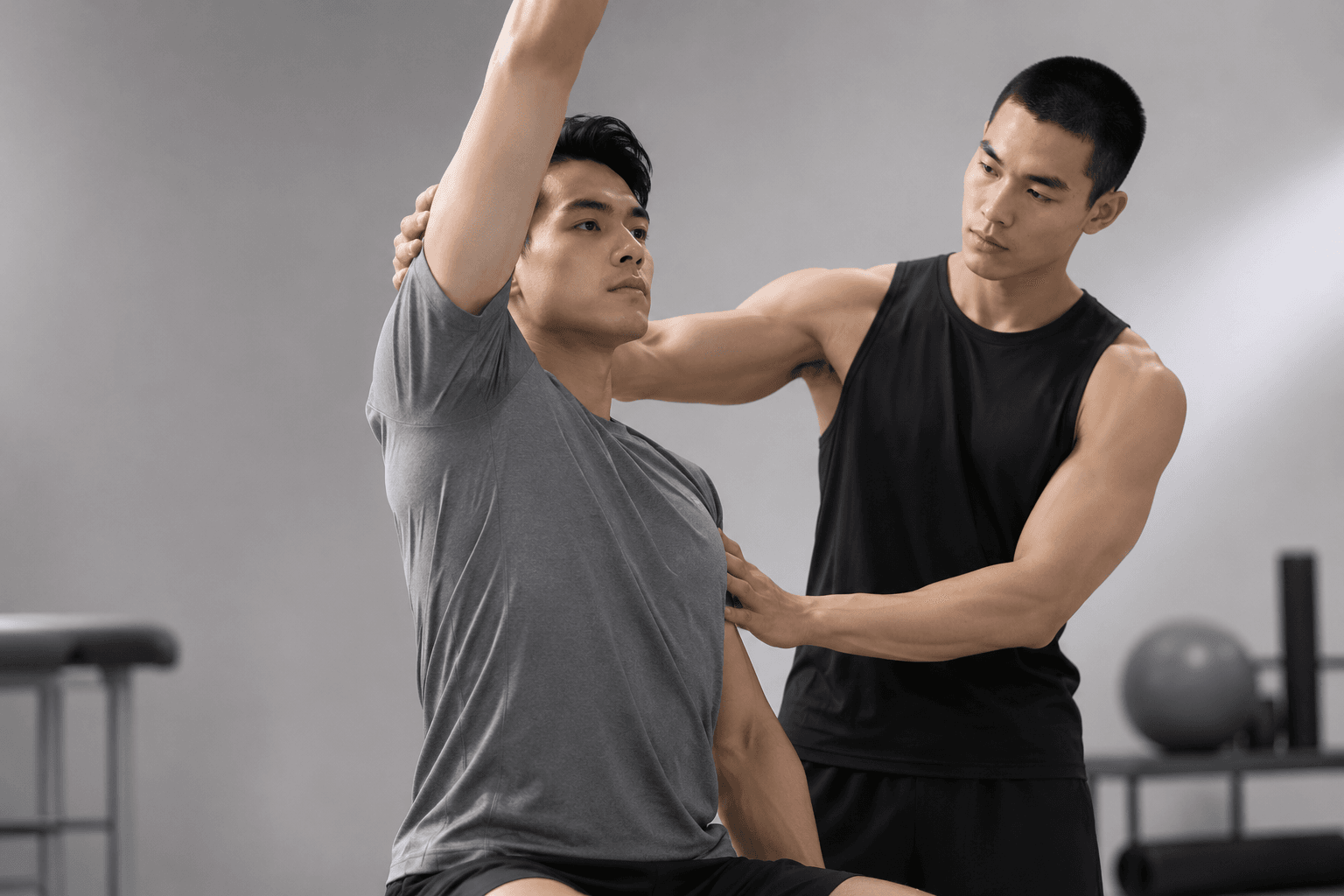
You exercise regularly. You stretch, lift weights, and try to stay active. Yet, your body still feels stiff. Your shoulders feel restricted, your hips lack mobility, or your back feels uncomfortable during certain movements. So, why does this happen?
The answer may not be that you need to exercise more. It may be that your body needs a different approach to movement. Before focusing on strength, endurance, or performance, it is important to understand how well your body moves. This is where rehabilitation plays an essential role.
1. Rehabilitation: Understanding How Your Body Moves
Rehabilitation is not only for people recovering from major injuries or surgery. It also plays an important role in addressing movement limitations, restoring physical function, and helping the body return to more efficient movement patterns. When certain movements feel restricted, uncomfortable, or difficult to perform, simply adding more repetitions or increasing training intensity may not address the underlying issue.
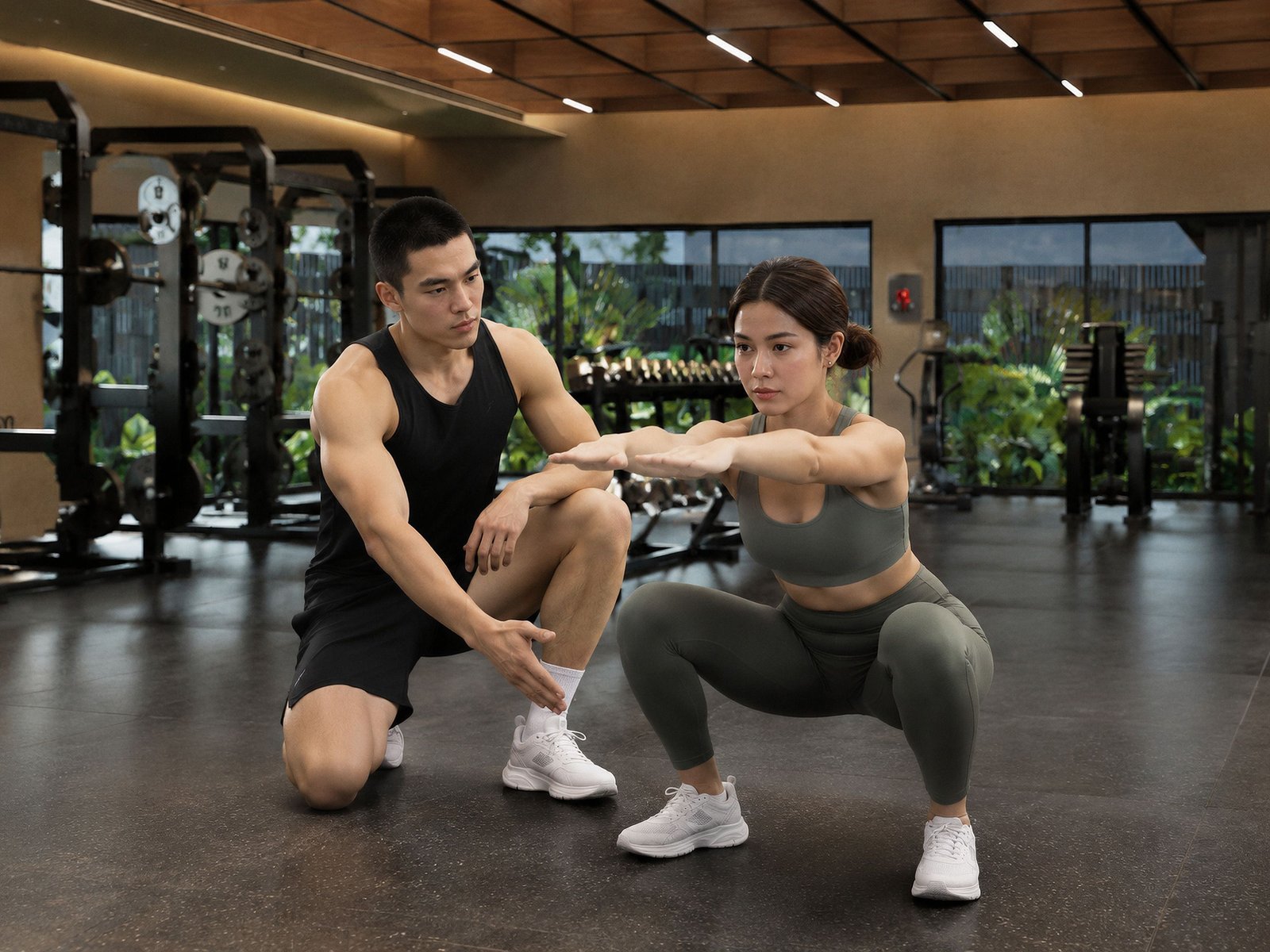
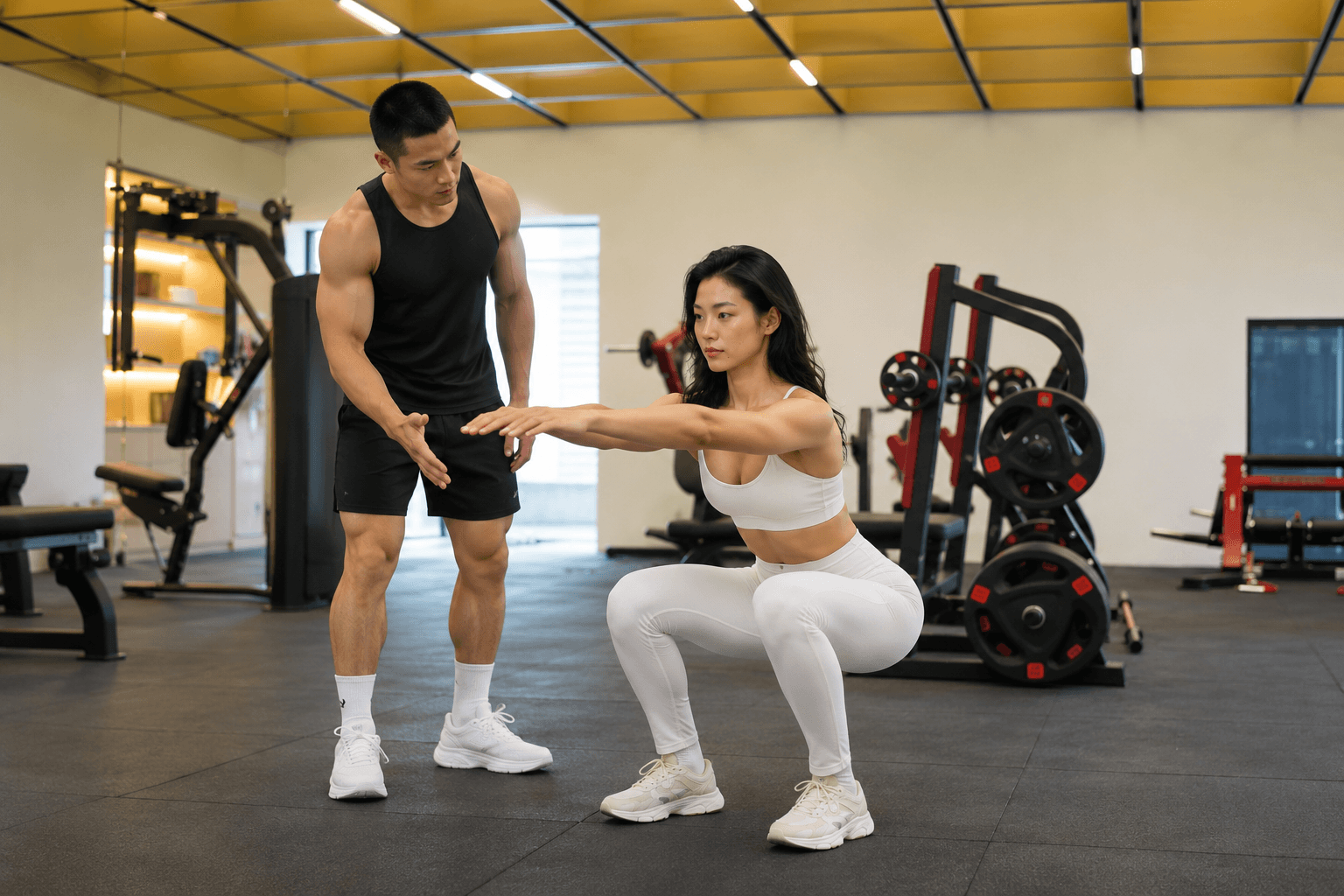
A rehabilitation-focused approach begins by understanding your body's current condition. Through physiotherapy and movement assessment, professionals can evaluate areas such as:
- Joint Mobility: How well your joints move through their available range of motion.
- Muscle Function: How effectively your muscles support and control movement.
- Movement Control: How your body coordinates different muscles and joints during activity.
- Stability and Balance: How well your body maintains control during movement.
These factors help guide an appropriate rehabilitation approach based on individual needs. The objective is not simply to make your body feel less stiff. It is to improve the way your body functions.
2. Why Regular Exercise Doesn't Always Resolve Stiffness
Exercise is essential for maintaining physical health. However, not every exercise addresses every movement limitation. For example, you might regularly perform squats, but still struggle with hip or ankle mobility. You may train your upper body consistently while experiencing restricted shoulder movement. This can happen because general fitness training and rehabilitation have different objectives.
Fitness training often focuses on developing strength, endurance, and physical capacity. Rehabilitation focuses on identifying and addressing specific limitations that may affect movement and function. Both approaches can complement each other. The important part is understanding what your body needs before deciding how to train it.
3. Common Factors That May Contribute to Body Stiffness
There is no single explanation for stiffness. It can be influenced by several factors, depending on your physical condition, lifestyle, and movement history.
Limited Joint Mobility
Certain joints may have restricted movement due to previous injuries, prolonged inactivity, or underlying joint conditions.
Muscle Weakness or Reduced Control
Some muscles may not provide sufficient support or coordination during specific movements. This can affect how comfortably and efficiently you perform physical activities.
Repetitive Movement Patterns
Repeatedly performing similar movements without sufficient movement variation may contribute to discomfort or limitations in certain activities.
Insufficient Recovery
Training intensity, workload, sleep, and recovery habits can influence how your body responds to physical activity.
Understanding these factors requires individual assessment rather than assuming that everyone experiences stiffness for the same reason.
4. How Rehabilitation Helps Restore Movement Quality
An effective rehabilitation program should be guided by your individual needs and physical capabilities. Depending on the assessment findings, rehabilitation may involve:
Movement Assessment
Identifying limitations in mobility, strength, stability, and movement control.
Corrective Exercise
Using targeted exercises to address specific movement limitations and improve physical function.
Mobility Training
Working on joint movement and flexibility where appropriate.
Strength and Stability Development
Building the physical capacity needed to support controlled and functional movement.
Progressive Rehabilitation
Gradually adapting exercises according to your response, recovery, and progress.
Rehabilitation is not about rushing your body into more demanding activities. It is about establishing the right foundation for sustainable physical development.
5. From Rehabilitation to Performance Training
Improving movement quality is an important foundation, but the journey does not have to stop there. Once your movement limitations have been addressed and your physical capacity allows, strength and performance training can become part of your next development phase.
This is where rehabilitation and performance training work together. Rather than separating recovery from fitness, an integrated approach considers how your body moves, recovers, and performs as a whole. Every body has different needs. Your training approach should reflect that.
6. When Should You Consider Rehabilitation?
Consider consulting a qualified physiotherapist if you experience:
- Persistent stiffness that affects everyday activities.
- Restricted movement in your shoulders, hips, ankles, or back.
- Recurring discomfort during exercise.
- Difficulty returning to physical activities after an injury.
- Movement limitations that do not improve despite modifying your training.
A proper assessment can help determine whether rehabilitation, exercise modification, or further medical evaluation is appropriate. If stiffness is sudden, severe, associated with significant swelling, weakness, numbness, or other concerning symptoms, seek medical assessment promptly.
Build a Body That Moves Better
Being physically active is a great start. But sustainable physical health involves more than simply exercising consistently. It requires understanding your body, identifying its needs, and developing the right foundation before progressing further.
At AxisLab, we believe that better performance begins with better movement. As a Human Performance and Structural Training Lab, we integrate physiotherapy, rehabilitation, corrective exercise, and personalized performance training to support a more balanced approach to physical development.
Because we don't just train your body. We build the body that fits your life.
Discover a more intentional approach to movement and performance with AxisLab.
AxisLab — Human Performance and Structural Training Lab.