Rehabilitation
What Is Corrective Exercise and Who Can Benefit From It?
November 2026 · 12 min read
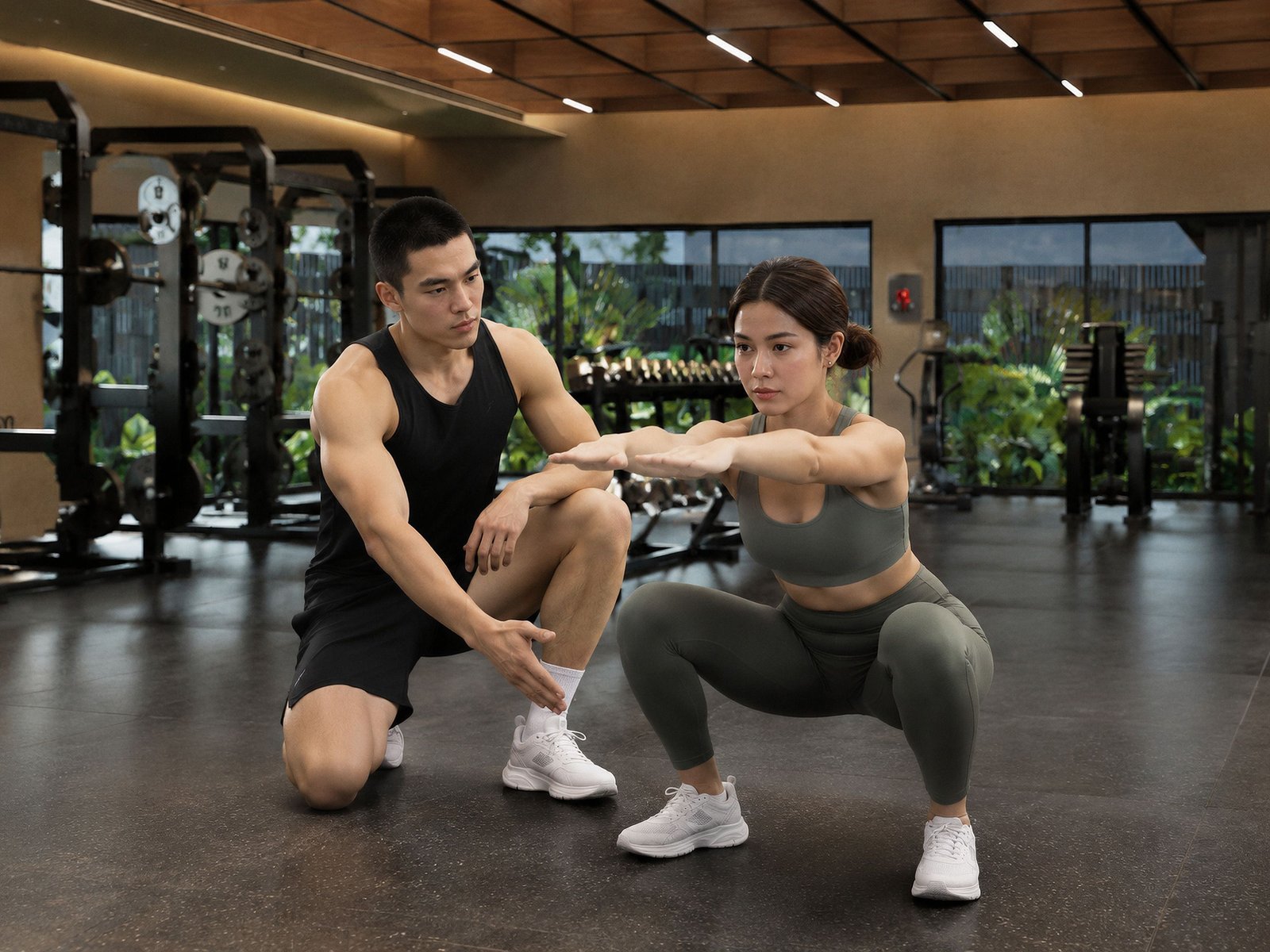
Have you ever noticed that one side of your body feels tighter than the other? Perhaps you struggle to maintain proper form during a squat, experience limited shoulder mobility, or find certain everyday movements more challenging than they should be. These experiences may indicate that your body could benefit from a closer look at how it moves.
Physical fitness is not simply about lifting heavier weights, building muscle, or improving endurance. The quality of your movement matters just as much. How your joints move, how your muscles coordinate, and how your body maintains stability all contribute to the way you perform during exercise and everyday activities.
This is where corrective exercise comes in. Rather than following a one-size-fits-all training routine, corrective exercise focuses on understanding individual movement patterns and addressing specific limitations through targeted exercises. It creates a more intentional foundation for strength, mobility, and long-term physical performance.
1. What Is Corrective Exercise?
Corrective exercise is an individualized approach to exercise that focuses on improving movement quality by addressing identified limitations in mobility, stability, coordination, and movement control.
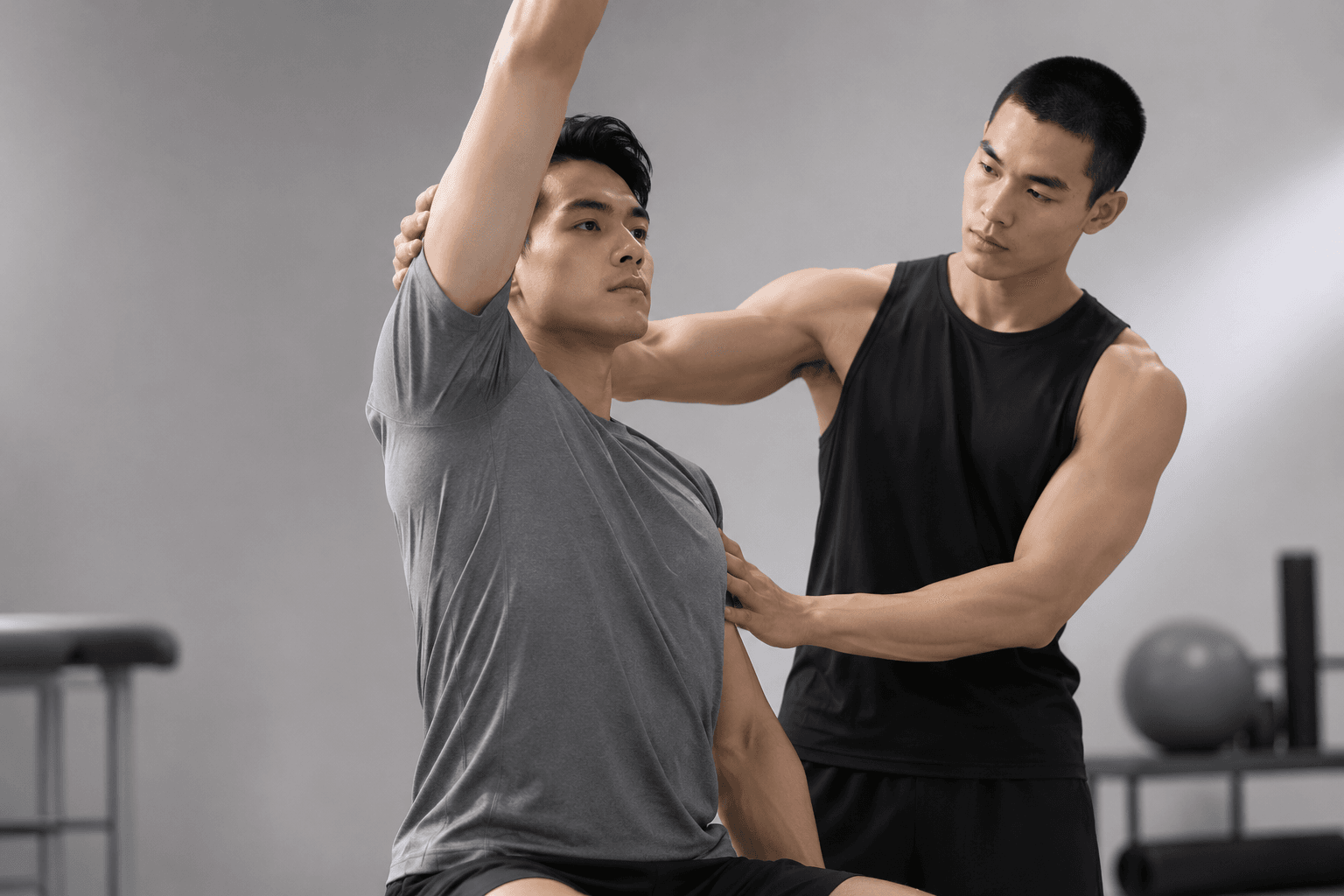
The process starts with understanding how your body moves. Through movement observation and appropriate assessments, fitness professionals or rehabilitation specialists can identify areas that may require additional attention and use those findings to guide exercise selection.
Unlike conventional training that may prioritize strength or muscle development, corrective exercise places greater emphasis on building the right movement foundation before progressing toward more demanding physical activities.
A corrective exercise program may include:
- Mobility Training: Exercises designed to improve available joint movement and help the body move through an appropriate range of motion.
- Stability Training: Activities that develop the body's ability to maintain control and support movement.
- Muscle Activation: Targeted exercises that encourage appropriate muscle engagement during specific movement patterns.
- Movement Coordination: Exercises that improve how different muscles and body segments work together.
- Functional Strength Training: Progressive exercises that integrate improved movement control into practical physical activities.
The objective is not to make every body move exactly the same way. It is to develop movement capabilities that are appropriate for each individual's needs, physical condition, and lifestyle.
2. Why Does Movement Quality Matter?
Your body relies on multiple systems working together whenever you move. Muscles, joints, and the nervous system coordinate to produce controlled and efficient movement, whether you are walking, lifting something, running, or performing a strength exercise.
When certain movements become difficult or restricted, your body may adapt by changing how it performs a task. These adaptations are not necessarily signs of injury or dysfunction, but they can influence your movement strategy and training technique.
Understanding movement quality is important because it helps you recognize areas that may need attention before increasing the demands of your training.
Some common movement-related considerations include:
- Limited Mobility: Restricted movement in certain joints may affect how comfortably you perform exercises such as squats, lunges, or overhead movements.
- Reduced Stability: Difficulty maintaining control during movement may influence balance, coordination, and exercise technique.
- Movement Compensation: Your body may use alternative movement strategies when a particular position or movement feels difficult.
- Muscular Imbalance: Differences in strength, flexibility, or muscle contribution may influence how you perform specific movements.
- Poor Movement Awareness: You may not always recognize how your body is positioned or moving during exercise.
Corrective exercise provides a structured way to explore these factors and incorporate appropriate training strategies into your overall program.
3. Who Can Benefit From Corrective Exercise?
Corrective exercise is not exclusively for athletes or individuals experiencing physical discomfort. It can be valuable for anyone who wants to develop better movement habits and build a stronger physical foundation.
Here are some individuals who may benefit from a personalized corrective exercise approach.
A. Individuals With Sedentary Lifestyles
Spending extended periods sitting at a desk, working in front of a computer, or maintaining repetitive positions throughout the day can influence your movement habits.
You may notice reduced movement variety, stiffness, or difficulty transitioning into certain physical activities. Corrective exercise can help introduce purposeful mobility, stability, and strengthening activities that complement your daily routine.
Potential areas of focus:
- Hip and thoracic mobility.
- Shoulder movement and control.
- Core stability.
- General movement coordination.
B. Individuals Experiencing Movement Limitations
Some people find certain exercises difficult because of limited range of motion, reduced stability, or difficulty controlling specific movements.
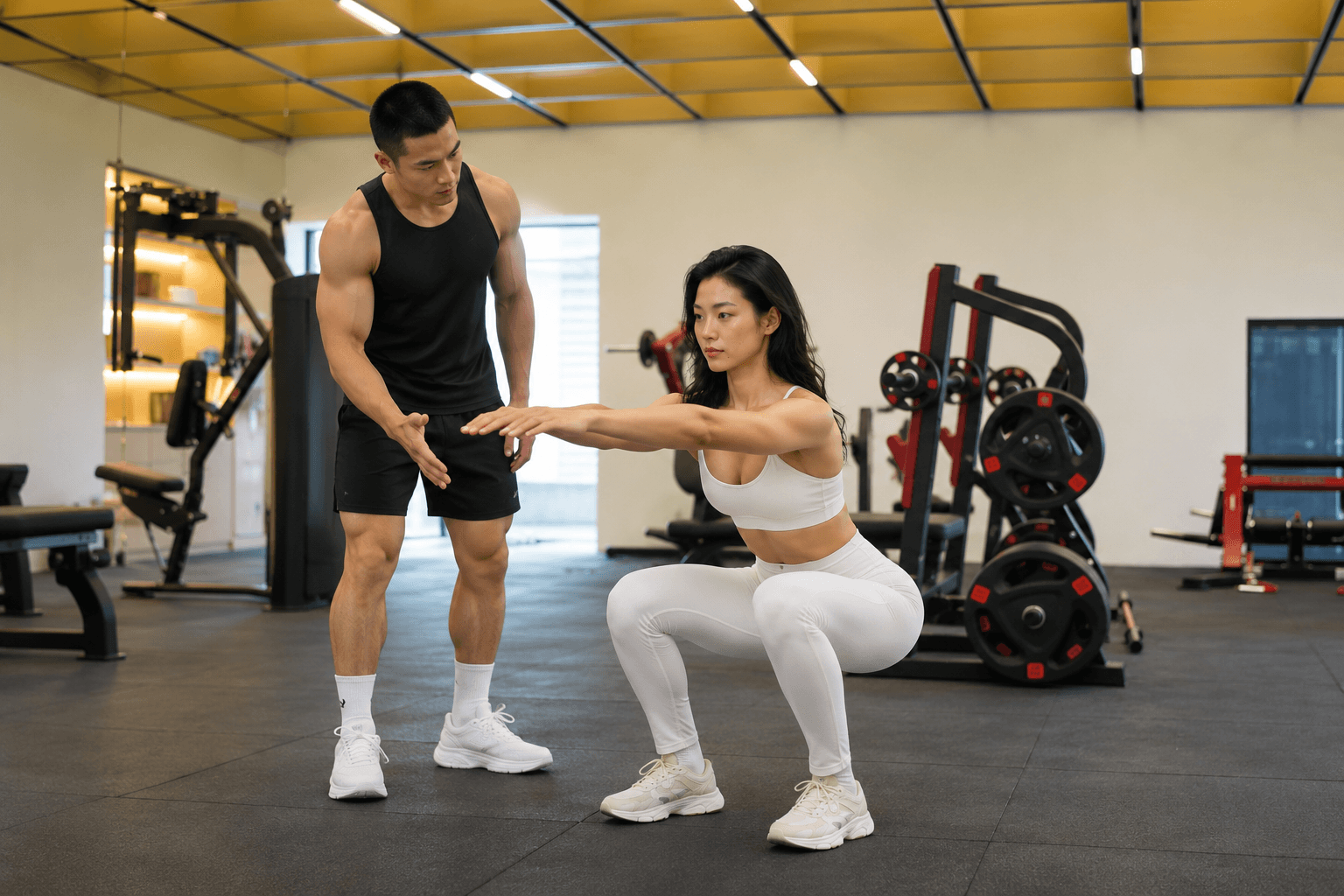
For example, someone may struggle to perform a controlled squat or maintain a stable position during an overhead movement. Rather than simply forcing the movement or adding more weight, it can be beneficial to understand what is limiting the movement in the first place.
Potential areas of focus:
- Joint mobility.
- Movement control.
- Muscle strength and coordination.
- Appropriate exercise modifications.
C. Beginners Starting Their Fitness Journey
Starting a fitness program is an opportunity to establish good training habits from the beginning. However, many beginners focus immediately on intensity, repetitions, or lifting heavier weights without first understanding their movement capabilities.
Corrective exercise can help beginners develop body awareness, learn foundational movement patterns, and build the mobility and stability needed for progressive strength training.
Potential areas of focus:
- Fundamental movement patterns.
- Body awareness.
- Core stability.
- Basic strength and coordination.
D. Active Individuals and Athletes
Being physically active does not automatically mean every movement pattern is optimized. Athletes and recreational exercisers may still have limitations in mobility, stability, or movement control that influence how they perform specific activities.
Corrective exercises can be incorporated into their training programs to address relevant movement limitations and support the physical demands of their chosen sports or activities.
Potential areas of focus:
- Dynamic stability.
- Unilateral strength.
- Movement coordination.
- Sport-specific mobility.
- Controlled movement under load.
E. Individuals Returning to Exercise After an Injury
Returning to physical activity after an injury requires an appropriate progression based on the individual's condition, recovery stage, and physical capabilities.
Under the guidance of a qualified physiotherapist when rehabilitation is required, targeted exercises can help restore movement capacity and gradually reintroduce functional activities. Once medically appropriate, corrective exercise principles may also support the transition toward regular strength and performance training.
Potential areas of focus:
- Restoring appropriate range of motion.
- Rebuilding strength.
- Improving movement control.
- Gradual exercise progression.
Important: Individuals with injuries, persistent pain, or medical conditions should receive an appropriate clinical assessment. Corrective exercise delivered by a personal trainer is not a substitute for physiotherapy or medical treatment.
4. How Does a Corrective Exercise Program Work?
An effective corrective exercise program should not begin with randomly selected exercises. It should start with understanding the individual and identifying which movement areas deserve attention.
Although the approach may differ depending on the person's needs, a structured program generally involves several stages.
Step 1: Movement Assessment
The first step is understanding how your body moves. A movement assessment may examine posture, joint mobility, stability, coordination, and fundamental movement patterns.
This provides useful information about your current movement capabilities and helps determine which areas may require further attention.
Step 2: Identify Movement Priorities
Not every movement limitation requires the same intervention. Based on the assessment findings, a professional can prioritize the areas most relevant to your goals, physical condition, and daily activities.
This helps create a more focused training plan instead of applying the same exercises to everyone.
Step 3: Build Mobility and Stability
Once the priorities are established, targeted exercises can be introduced to develop the necessary movement capacity.
Depending on individual needs, this may involve mobility drills, stability exercises, muscle strengthening, and controlled movement practice.
Step 4: Integrate Into Functional Training
Corrective exercise should not exist separately from the rest of your fitness journey. Improved movement control needs to be integrated into functional exercises and progressive strength training.
This allows individuals to apply what they develop through targeted exercises to more complex movements and everyday physical activities.
Step 5: Monitor and Progress
Your body and training capabilities can change over time. Regularly reviewing movement quality and exercise performance helps determine whether the program needs to be adjusted.
Progression should be based on individual capacity rather than simply increasing intensity or difficulty.
5. Corrective Exercise vs. Traditional Strength Training
Corrective exercise and strength training are not competing approaches. They serve different but complementary purposes within a well-designed fitness program.
Corrective exercise emphasizes addressing identified movement limitations, developing movement control, and establishing appropriate foundations. Strength training focuses on progressively developing physical capacity through resistance and exercise loading.
Both can work together to support a more comprehensive approach to physical development.
For example, an individual who struggles with squat depth may first work on relevant mobility, stability, and movement control. As their movement capacity allows, progressive resistance training can then become part of the program.
The goal is not to choose between moving well and getting stronger. It is to develop both in a way that supports your individual needs.
6. Why Should Corrective Exercise Start With an Assessment?
Every individual has a different movement history, physical condition, lifestyle, and training objective. This means that an exercise that works well for one person may not necessarily be appropriate for another.
Without understanding these differences, training programs can become generic and may overlook the specific areas that deserve attention.
A movement assessment helps establish a clearer starting point by providing information about:
- Mobility: How comfortably and effectively your joints move.
- Stability: How well you maintain control during different movements.
- Strength: Your ability to produce and control force.
- Coordination: How effectively different parts of your body work together.
- Movement Awareness: How well you recognize and control your body's position during activity.
At AxisLab, assessment is an important part of understanding your body before developing a personalized training approach.
Rather than assuming what your body needs, the objective is to understand your starting point and build a program that reflects your individual movement capabilities.
Final Thoughts
Corrective exercise is about more than addressing movement limitations. It is about developing a better understanding of your body and creating the foundation for more purposeful physical training.
Whether you are starting your fitness journey, spending most of your day sitting, participating in sports, or returning to exercise after rehabilitation, understanding your movement capabilities can help guide your next steps.
Remember, better performance does not always begin with doing more. Sometimes, it begins with understanding how you move.
Start with understanding your body. Build with intention. Progress with purpose.
Discover your movement potential with AxisLab.