Education
Why Every Training Journey Should Start with Understanding Your Body
October 2026 · 6 min read
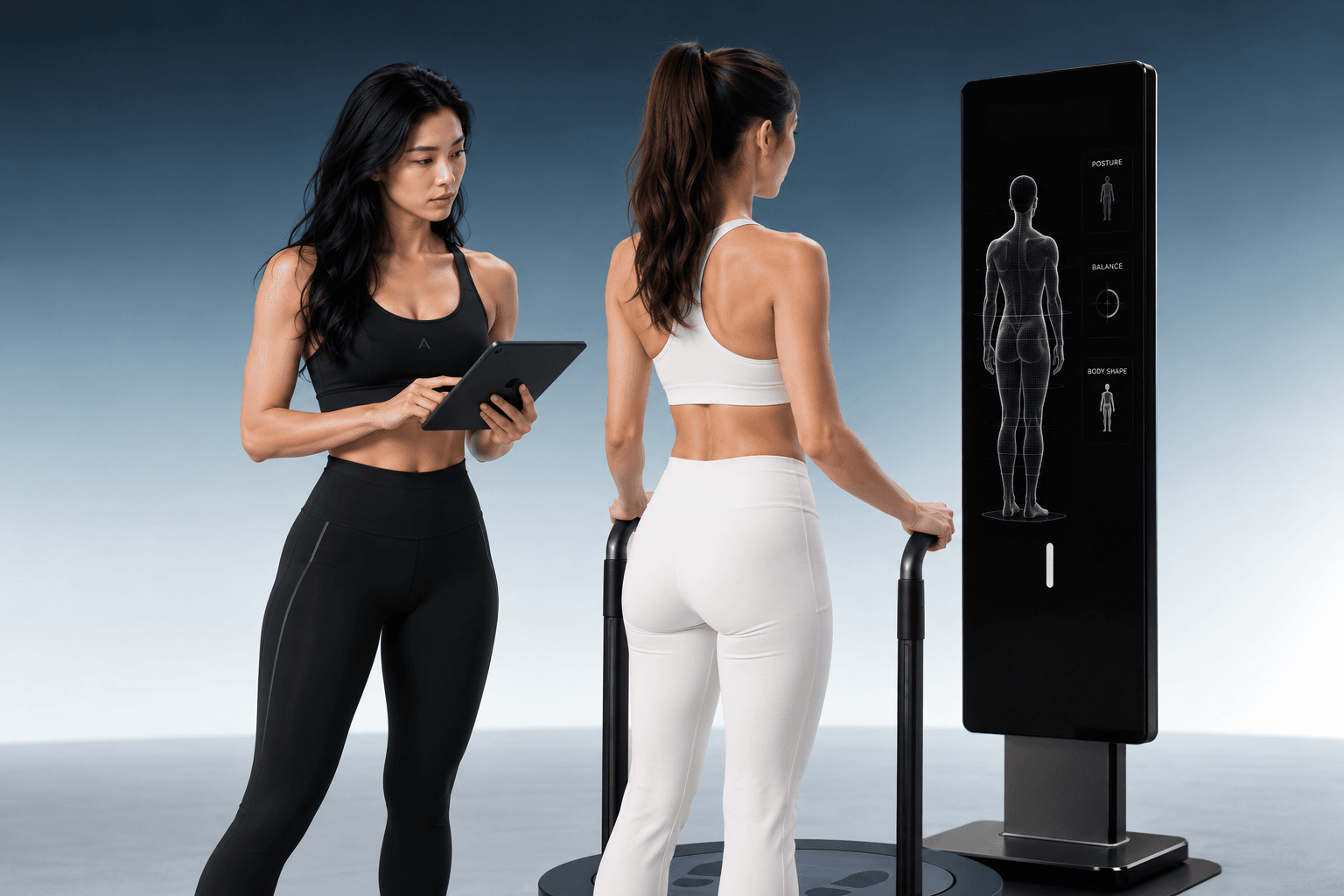
Starting a training program is easy. Understanding what your body actually needs is where meaningful progress begins.
Many people begin their fitness journey with a specific goal in mind. Some want to build strength, improve mobility, increase endurance, recover from an injury, or simply feel better in their daily lives. While these goals are important, the approach to achieving them should not be the same for everyone.
Every body has different movement patterns, physical capabilities, limitations, and training needs.
At AxisLab, we believe that effective training starts with understanding the individual. Through a structured body assessment, we can better understand how you move, identify areas that may need attention, and establish a more informed direction for your training journey.
Because building a stronger body is not just about doing more. It is about understanding what your body needs to move, perform, and live better.
1. Every Body Moves Differently
Two people can perform the same exercise and experience very different challenges.
One person may have difficulty with mobility, while another may struggle with stability, coordination, or strength. Previous injuries, daily habits, activity levels, and individual physical characteristics can also influence how someone moves.
This is why following a workout simply because it works for someone else may not be the most suitable approach for you.
A body assessment before training helps establish a clearer picture of your current physical condition and movement capabilities. Rather than immediately following a generic routine, the process begins by understanding your individual needs.
At AxisLab, personalized training is designed around how you move, perform, recover, and live.
The objective is to build a foundation that supports your goals while considering your body's current capabilities.
2. Movement Quality Matters as Much as Performance
Progress in training is often measured through visible changes, heavier weights, faster times, or higher endurance. These indicators can be valuable, but they do not tell the whole story.
How you perform a movement also matters.
Movement assessment can help professionals observe factors such as mobility, stability, coordination, and movement control. These observations provide useful information when determining appropriate exercises, training variations, and progression.
For example, if an individual struggles to maintain control during a particular movement, a trainer may adjust the exercise, modify its difficulty, or focus on developing the necessary foundation first.
This does not mean every movement imperfection indicates a problem. Instead, assessment helps guide training decisions based on the individual's needs, goals, and relevant clinical findings.
At AxisLab, we look beyond the exercise itself. We focus on building purposeful foundations that support more intentional training.
3. Personalized Training Begins with Better Information
A personalized training program should be more than a collection of exercises selected to match a goal.
It should reflect the individual performing them.
A comprehensive assessment can help inform decisions about exercise selection, training intensity, movement modifications, and progression. When appropriate, it can also help identify situations that require further evaluation by a qualified healthcare professional.
Consider two individuals who both want to improve their strength.
One may already have an established training foundation and be ready for progressive resistance training. Another may need to develop basic movement control, improve mobility, or adapt training around a previous injury.
Although their goals may sound similar, their starting points may differ significantly.
This is where personalized training becomes valuable. The program can be adapted to the individual rather than expecting the individual to adapt to a predetermined routine.
At AxisLab, our approach brings together personalized training, movement science, and physiotherapy to support more informed training decisions.
4. Assessment Creates a Foundation for Long-Term Progress
Sustainable progress is not achieved in a single session. It develops through consistent training, appropriate progression, recovery, and adjustments over time.
A starting assessment provides a reference point against which future observations can be compared. Depending on the individual's goals, progress may involve improvements in strength, mobility, movement control, exercise tolerance, or daily function.
Reassessment can help determine whether the current approach remains appropriate and whether adjustments are needed.
This reflects three principles that guide the AxisLab training philosophy:
Alignment - Return to the foundation.
Understand your starting point and address relevant foundational needs before building further.
Balance - Develop broader body awareness.
Consider different aspects of physical health rather than focusing exclusively on one measure of fitness.
Progress - Develop intentionally over time.
Build on your foundation through a structured approach that evolves with your capabilities and goals.
These principles reinforce an important idea: health is a long-term commitment, not a quick fix.
5. Training Should Fit Your Life, Not Just Your Workout
Your body does more than perform exercises in a gym. It supports the way you work, move, play sports, recover, and participate in everyday activities.
That is why a meaningful training program should consider more than your performance during a workout.
Your lifestyle, personal objectives, activity demands, and recovery needs all contribute to the bigger picture.
For some individuals, the priority may be returning to exercise after an injury. For others, it may be improving physical capacity, supporting an active lifestyle, or developing a stronger foundation for future performance.
Understanding these differences helps make training more relevant to the person behind the goal.
At AxisLab, our philosophy is simple: We build the body that fits your life.
We believe that long-term health begins with intentional decisions, personalized guidance, and a better understanding of how your body works.
6. What Happens During a Body Assessment?
The assessment process should reflect the individual's goals, health history, physical capabilities, and any relevant concerns.
Depending on the person's needs and the professional conducting the assessment, it may include:
- Understanding your goals and history: Discussing your lifestyle, exercise experience, relevant injuries, and objectives.
- Evaluating movement: Observing selected movements to understand mobility, stability, coordination, and movement control.
- Reviewing physical capabilities: Assessing relevant aspects of strength, endurance, or functional capacity.
- Identifying priorities: Determining which areas deserve attention based on the assessment findings.
- Planning your next steps: Using the information to guide a suitable training program or recommend further evaluation when necessary.
Not every individual requires the same tests. The assessment should be relevant to the person's circumstances rather than follow a one-size-fits-all checklist.
Assessment findings also have limitations. They provide information to guide decisions, but they do not automatically predict injury or replace a medical diagnosis when one is needed.
The goal is to establish a clearer starting point for training with appropriate professional guidance.
7. Start Your Training Journey with AxisLab
At AxisLab, we go beyond the conventional gym approach by combining personalized training, movement science, and physiotherapy within a broader perspective on human performance.
Our approach is built around understanding the individual, establishing purposeful foundations, and developing physical capabilities with intention.
Whether your goal is to improve strength, move with greater confidence, support recovery, or enhance performance, the starting point should reflect your body and your needs.
You do not need to begin with the most difficult workout. You need to begin with a clearer understanding of where you are and where you want to go.
Because better training starts with better understanding.
AxisLab - Human Performance and Structural Training Lab.
Build a body that supports the way you want to live.
Ready to understand your body better?
Start your journey with AxisLab and discover a more personalized approach to training.
Contact our team to learn more about our body assessment and training programs.
Frequently Asked Questions
Why is body assessment important before starting a workout program?
Body assessment helps establish a baseline of relevant movement abilities and physical capabilities. This information can guide exercise selection, training modifications, and progression based on individual needs.
Is body assessment only for people with injuries?
No. Assessment can also be useful for people who want to improve strength, mobility, general fitness, or sports performance. The scope should match the individual's goals and circumstances.
Can body assessment help personalize my training program?
Yes. Assessment findings can inform decisions about exercise selection, intensity, modifications, and progression. The program should also account for your goals, health history, preferences, and response to training.
Should I repeat my body assessment?
Reassessment may be useful at appropriate intervals to review progress and determine whether the training approach needs adjustment. The timing and measures should depend on your goals and program.
What makes AxisLab different from a conventional gym?
AxisLab's brand positioning combines personalized performance and structural training with movement science and physiotherapy. Its philosophy emphasizes Alignment, Balance, and Progress, with training designed around the individual rather than a generic routine.
About AxisLab
AxisLab is a Human Performance and Structural Training Lab focused on personalized training, movement science, physiotherapy, and long-term physical well-being. Our philosophy is built around the belief that sustainable health begins with understanding the body and developing it with intention.